


The Best Cinematography Advice I Ever Received.

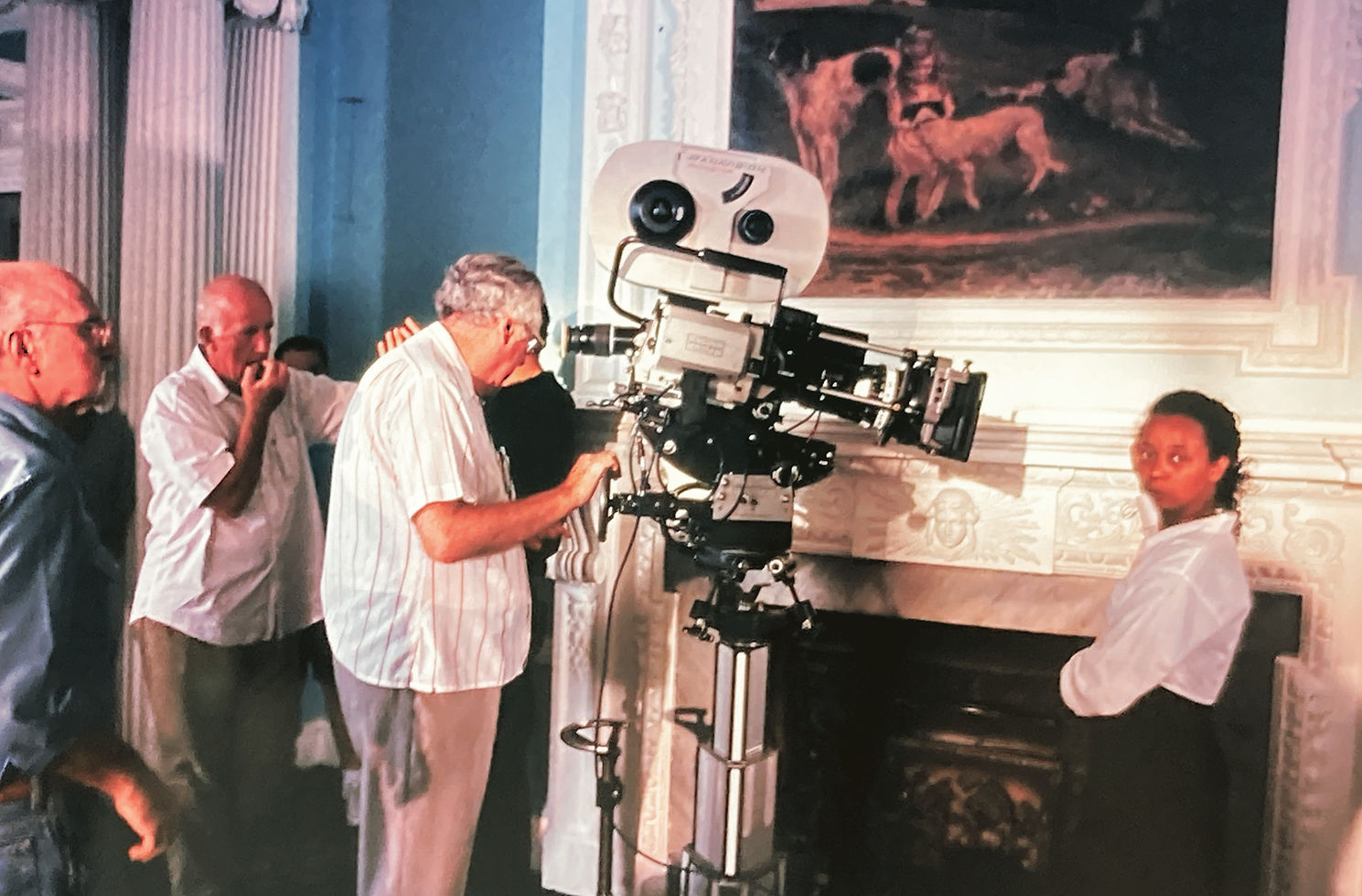
In 1994, at Pinewood Studios, I took a photograph of two men working with a Panaflex: the late, great Paul Beeson BSC, with his longtime collaborator Wally Byatt Assoc BSC ACO standing just behind him. At the time, I didn’t know how often I would return to that moment in my mind — not because of the camera, but because of something Paul said to me.
Paul Beeson gave me some of the best advice I have ever received about cinematography. It was simple, direct, and completely free of technical showmanship. I have carried it with me ever since, on film sets and digital sets alike.
1. Light Everything as if You Are Going to Shoot It in Black and White
Paul’s first rule was deceptively simple:
Light everything as if you are going to shoot it in black and white.
What he was really talking about was structure. Contrast. Shape. Separation.
If a scene works in black and white, it will work in colour. If it doesn’t, no amount of colour information will save it.
This approach forces you to think about:
• Where the eye is drawn
• How faces are sculpted
• Whether foreground and background truly separate
It strips cinematography back to its fundamentals and removes the temptation to let colour do the heavy lifting.
Even now, when shooting digitally, I still find myself asking: Would this read if all the colour disappeared?
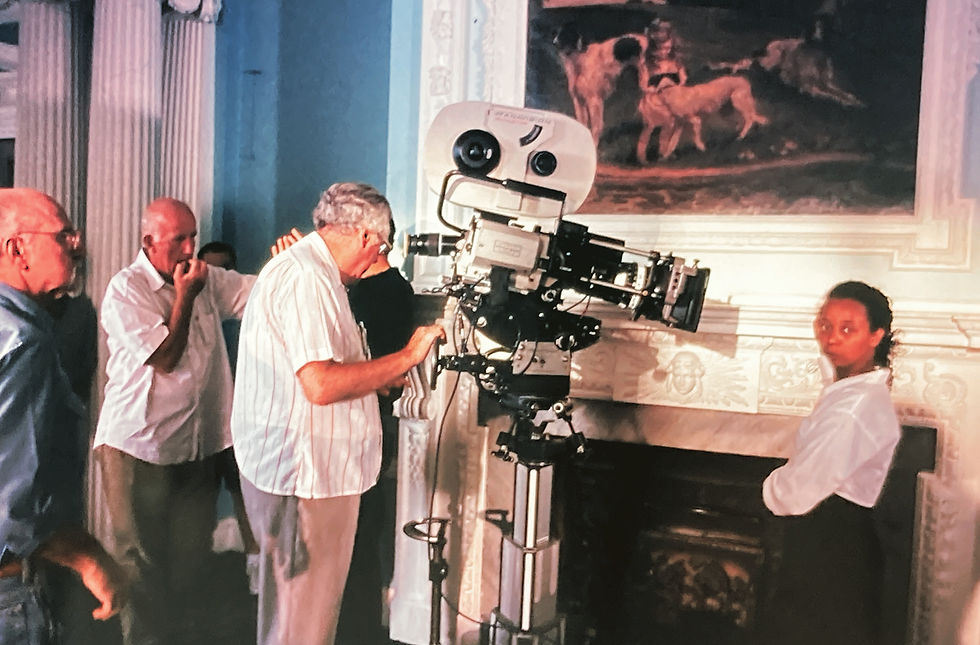
Paul Beeson BSC with Wally Byatt Assoc BSC ACO standing just behind him. On set at Pinewood Studios in 1994. Photo taken by me.
2. Light by Eye First. The Meter Comes Last.
Paul’s second piece of advice was even more important:
Light everything by eye. When everything looks how you want it to look, decide what the most important part of the scene is. Take one meter reading there — and that’s your stop.
The meter, in Paul’s view, was a confirmation tool, not a creative one.
He warned me not to become a slave to it.
People who are slaves to the meter don’t win Oscars.
What he meant was this: cinematography is not about averaging values or protecting numbers. It’s about making decisions. Choosing what matters. Letting some things fall where they may in service of the image.
On celluloid, this discipline was essential. You didn’t have endless latitude, false colour overlays, or waveform monitors constantly second-guessing you. You learned to trust your eye — and your judgement.
Why This Still Matters in a Digital World
Although this advice was given to me in the context of shooting on film, it has never stopped being relevant.
Digital cameras are extraordinary tools, but they can encourage hesitation:
• Endless checking
• Endless tweaking
• Endless fear of committing
Paul’s advice cuts through all of that.
Light the scene. Make it feel right. Decide what matters most. Expose for that.
Everything else is secondary.
It’s also worth saying that Paul Beeson and Wally Byatt weren’t just mentors with opinions — they were craftsmen who had earned their authority. Together, (along with the Focus Puller Keith Blake) they served as the second-unit on the first three Indiana Jones films, working at a scale where clarity of decision-making wasn’t optional.
That same discipline — lighting for structure, trusting the eye, and committing to an exposure — was present whether they were shooting a Hollywood action sequence or standing beside a Panaflex at Pinewood.
Final Thoughts
I think about Paul Beeson often when I’m on set. Not because I’m trying to emulate a particular look, but because I’m trying to uphold a way of thinking — one rooted in confidence, clarity, and respect for the image.
Good cinematography isn’t about chasing perfection.
It’s about knowing where to put your attention.
That advice has served me every day since.
Mark


Comments