


The Role of a Second Unit Cinematographer

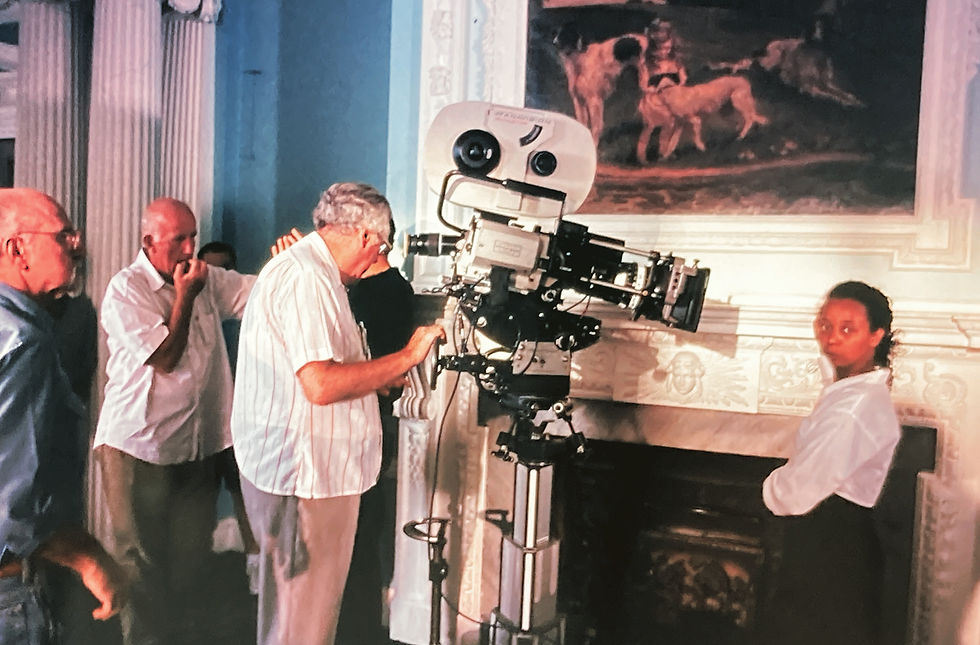
When people think about cinematography, they usually picture the director of photography working closely with the director on the main unit set. But there is often another cinematographer working simultaneously: the second unit director of photography.
Second unit cinematography is a specialised role that requires a particular mix of technical precision, trust, and independence.
What Is Second Unit?
Second unit is responsible for shooting material that supports the main narrative without requiring the principal cast or the director’s full attention. This might include:
Establishing shots
Landscape or environmental footage
Action inserts
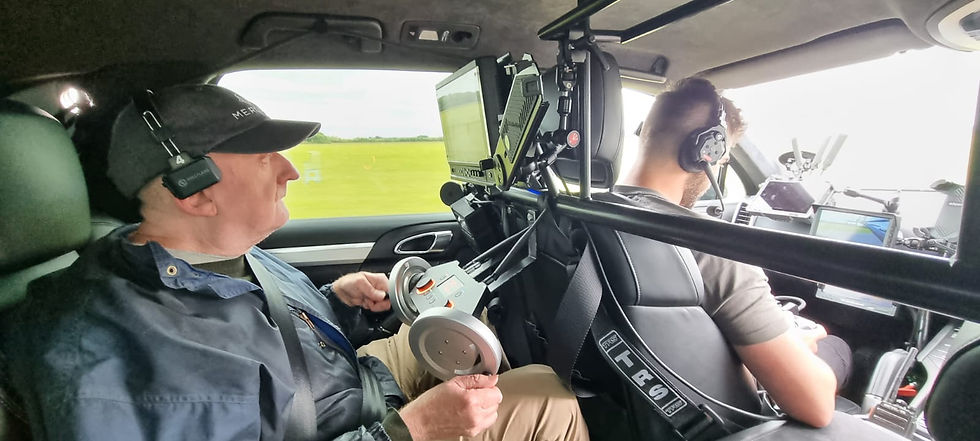
Vehicle work
Pickups and additional coverage
Complex technical shots that would slow the main unit down
On large productions, second unit might even be responsible for major action sequences, working under the supervision of the main director and cinematographer.
Trust and Visual Consistency
For a cinematographer, shooting second unit is fundamentally about trust.
The main director of photography establishes the visual language of the film — the lighting approach, lens choices, camera movement, colour palette, and overall visual tone. The second unit cinematographer must be able to step into that framework and deliver images that cut seamlessly with the main unit footage.
That requires careful preparation and close communication.
Second unit work often involves studying:
The camera package and lenses being used
Lighting philosophy and contrast levels
Framing conventions
Camera movement style
The goal is simple: when the footage is edited together, the audience should never be able to tell which shots were captured by which unit.
Independence on Set
While visual continuity is crucial, second unit cinematographers also need to operate with a high degree of independence.
Second units often move quickly, filming material that must fit within tight schedules and limited access to locations or vehicles. There is rarely time for lengthy creative discussions. Instead, the cinematographer must be able to make decisions quickly while staying aligned with the established visual language of the film.
A Collaborative Role
Second unit cinematography sits at an interesting point between technical execution and creative interpretation.
The work may involve shooting something as simple as a landscape establishing shot or as complex as a vehicle stunt sequence. In both cases the challenge is the same: to capture images that support the storytelling while maintaining the integrity of the film’s visual world.
When done well, second unit cinematography is invisible to the audience — which is exactly the point.
Mark

Comments